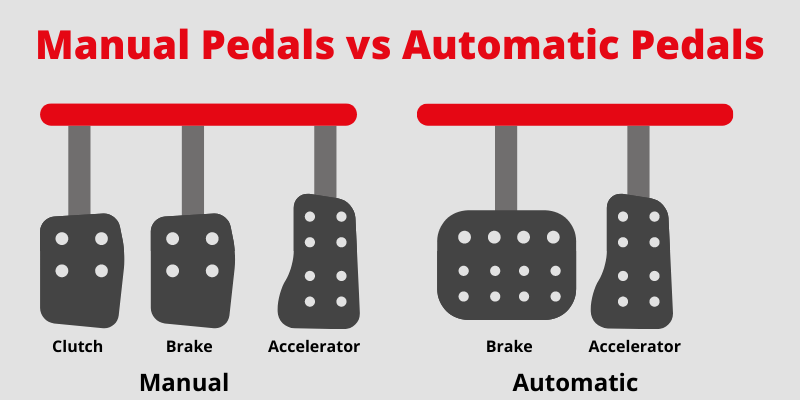
Learning to drive is a major milestone, and one of the first decisions you will face is whether to take manual or automatic driving lessons. Both options can lead to becoming a safe and confident driver, but the experience, skills gained, and long-term flexibility can differ in important ways. Understanding these differences helps you choose the path that best fits your comfort level, goals, and future driving plans.
Understanding Manual Driving Lessons
Manual driving lessons focus on teaching you how to operate a vehicle with a clutch pedal and gear stick. You learn how to change gears smoothly, manage clutch control, and coordinate your hands and feet. This can feel challenging at first, especially when starting on hills or driving in heavy traffic.
However, manual lessons often build strong vehicle awareness. Because you are actively controlling gear changes, you tend to develop a deeper understanding of how the car responds to speed and road conditions. Many learners feel a strong sense of achievement once they master clutch control and smooth gear transitions.
Another advantage is flexibility. In many places, a manual license allows you to drive both manual and automatic vehicles. This can be useful if you travel, rent cars, or share vehicles with family members who own manual cars.
Understanding Automatic Driving Lessons
Automatic driving lessons remove the need to manage gears and a clutch. The car shifts gears on its own, so you can focus more on steering, road positioning, traffic awareness, and hazard perception. For many learners, this makes the learning process feel less stressful and more straightforward.
Automatic lessons are often ideal for nervous beginners or those who want to get licensed quickly. With fewer mechanical tasks to think about, learners can concentrate on developing safe driving habits and decision-making skills. This can help you achieve success faster and feel more confident right away.
As more modern vehicles, including electric and hybrid cars, use automatic transmissions, many drivers feel this option suits their long-term needs just fine.
Difficulty and Learning Curve
Manual lessons usually come with a steeper learning curve at the beginning. Stalling, jerky starts, and gear confusion are common in the early stages. These problems get better with practice and help from a skilled teacher, but it may take some time.
Automatic lessons typically allow learners to feel comfortable sooner. Without the added pressure of gear changes, students often handle busy roads and intersections with more confidence early on.
Test, License, and Future Considerations
Your choice can also affect what you are licensed to drive. In some regions, passing your test in an automatic car may limit you to driving automatics only, while passing in a manual gives broader privileges. If you are working toward independence and flexibility, this is an important factor to consider.
When thinking about long-term goals, also consider where and how you will drive. City drivers in heavy traffic may appreciate the simplicity of an automatic, while those in rural or varied conditions may value the control a manual offers.
If you plan to progress through licensing stages such as green Ps NSW, feeling confident and in control of your vehicle type can make the transition smoother and less stressful.
Which One Is Right for You
There is no single correct choice. If you enjoy learning technical skills, want maximum flexibility, and do not mind an initial challenge, manual lessons can be rewarding. If you prefer a simpler learning experience, want to build confidence quickly, or know you will mainly drive automatic cars, automatic lessons may be the better fit.
The best approach is to think about your comfort level, future vehicle access, and personal learning style. A good instructor can guide you either way, helping you become a safe, responsible driver ready for the road ahead.